

The Essential Guide to SMT Transfer Conveyors in Industrial Applications


2026-01-21
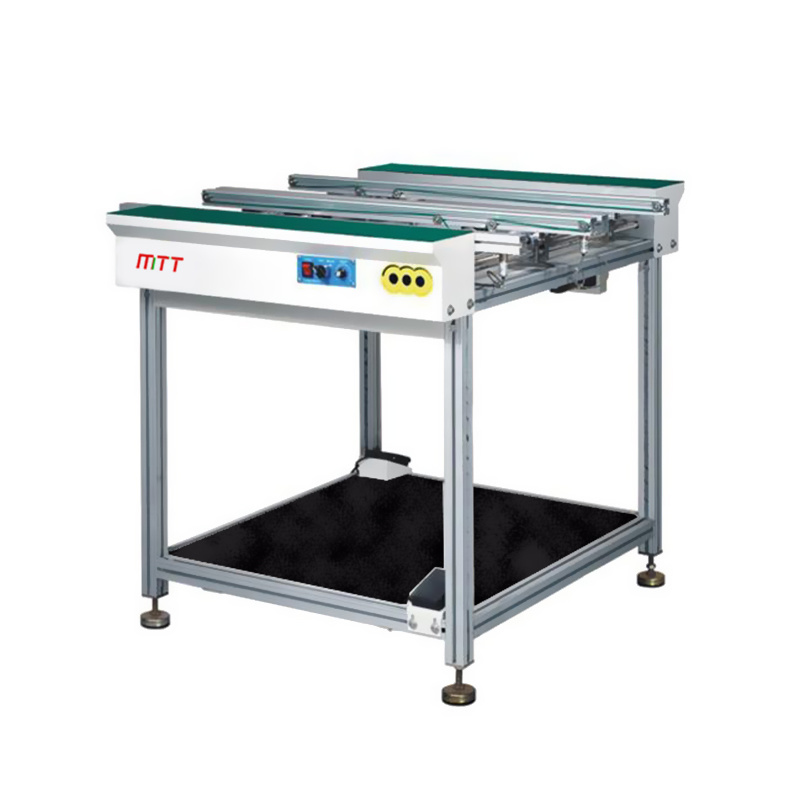
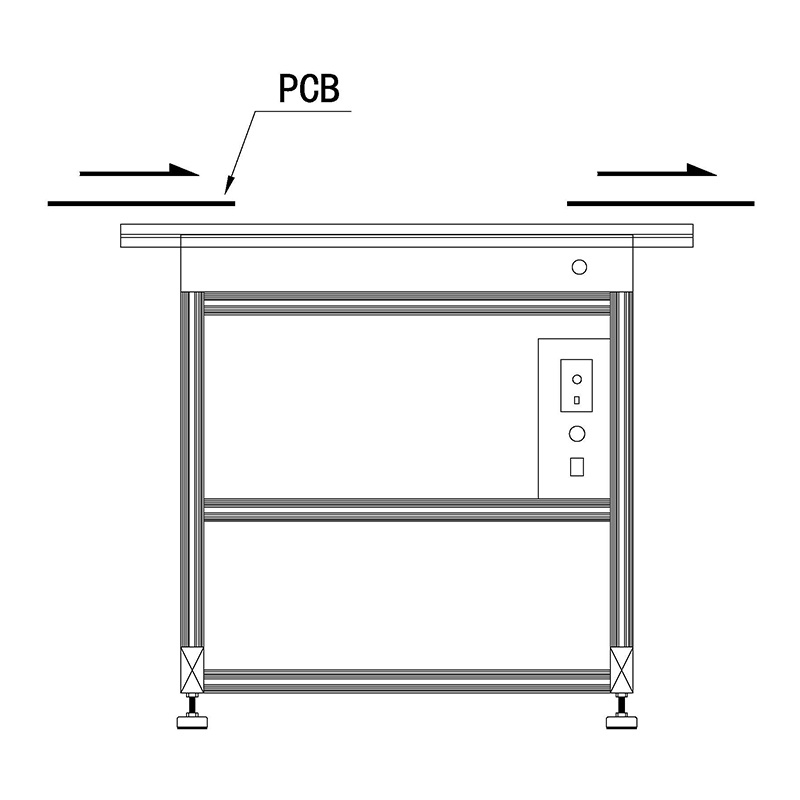
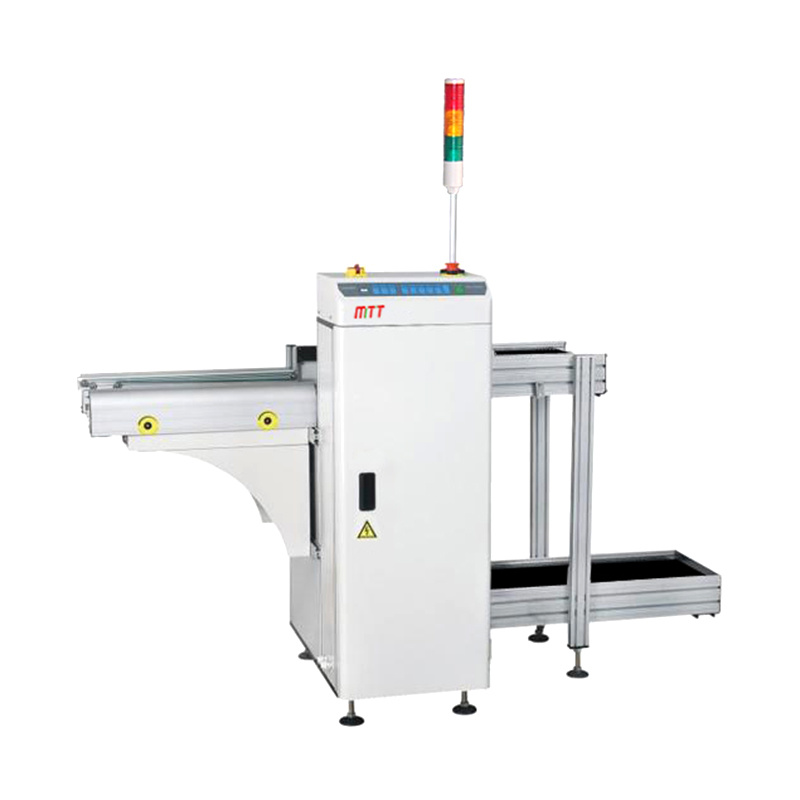
In the realm of industrial equipment and components, the SMT Transfer Conveyor stands out as a vital tool for ensuring smooth and efficient material handling. SMT, which stands for Surface Mount Technology, often involves intricate processes where components are assembled on printed circuit boards (PCBs). The design and functionality of SMT transfer conveyors are tailored specifically to meet the demands of this technology, facilitating the seamless flow of materials between different stages of production.
One of the primary functions of SMT transfer conveyors is to transport PCBs with high precision and reliability. These conveyors are engineered to handle the delicate nature of electronic components, ensuring that they are not damaged during transit. The design typically features a flat surface that minimizes the risk of components shifting or becoming misaligned, a critical consideration in electronics manufacturing.
Efficiency is a hallmark of SMT transfer conveyors. They are designed for high-speed operation, enabling manufacturers to maintain a continuous flow of materials. This high throughput capability is essential in environments where production timelines are tight, and meeting deadlines is crucial. By utilizing SMT transfer conveyors, companies can significantly reduce bottlenecks in their production line, allowing for quicker turnaround times and improved overall productivity.
In addition to speed, SMT transfer conveyors offer versatility. They can be integrated into various production setups, accommodating different sizes and types of PCBs. This adaptability means that manufacturers can customize their conveyor systems to fit specific workflows, enhancing the overall efficiency of their operations. Moreover, many SMT transfer conveyors come with adjustable speeds and configurations, allowing operators to fine-tune settings based on the particular requirements of their production processes.
Maintenance is another critical aspect of SMT transfer conveyors. To ensure longevity and optimal performance, regular maintenance and inspection are necessary. Keeping the conveyor system clean and free of debris will prevent potential disruptions in the production line. Additionally, operators should be trained to recognize signs of wear or malfunction, addressing issues promptly to avoid costly downtime.
In conclusion, SMT transfer conveyors are indispensable in the electronics manufacturing sector. Their ability to transport PCBs efficiently and reliably contributes to streamlined production processes and improved product quality. By investing in high-quality SMT transfer conveyors and implementing best practices for their usage and maintenance, manufacturers can enhance their operational efficiency and stay competitive in a rapidly evolving industry.
One of the primary functions of SMT transfer conveyors is to transport PCBs with high precision and reliability. These conveyors are engineered to handle the delicate nature of electronic components, ensuring that they are not damaged during transit. The design typically features a flat surface that minimizes the risk of components shifting or becoming misaligned, a critical consideration in electronics manufacturing.
Efficiency is a hallmark of SMT transfer conveyors. They are designed for high-speed operation, enabling manufacturers to maintain a continuous flow of materials. This high throughput capability is essential in environments where production timelines are tight, and meeting deadlines is crucial. By utilizing SMT transfer conveyors, companies can significantly reduce bottlenecks in their production line, allowing for quicker turnaround times and improved overall productivity.
In addition to speed, SMT transfer conveyors offer versatility. They can be integrated into various production setups, accommodating different sizes and types of PCBs. This adaptability means that manufacturers can customize their conveyor systems to fit specific workflows, enhancing the overall efficiency of their operations. Moreover, many SMT transfer conveyors come with adjustable speeds and configurations, allowing operators to fine-tune settings based on the particular requirements of their production processes.
Maintenance is another critical aspect of SMT transfer conveyors. To ensure longevity and optimal performance, regular maintenance and inspection are necessary. Keeping the conveyor system clean and free of debris will prevent potential disruptions in the production line. Additionally, operators should be trained to recognize signs of wear or malfunction, addressing issues promptly to avoid costly downtime.
In conclusion, SMT transfer conveyors are indispensable in the electronics manufacturing sector. Their ability to transport PCBs efficiently and reliably contributes to streamlined production processes and improved product quality. By investing in high-quality SMT transfer conveyors and implementing best practices for their usage and maintenance, manufacturers can enhance their operational efficiency and stay competitive in a rapidly evolving industry.
Related News