

Enhancing Efficiency with SMT Production Conveyors: A Guide for Industrial Applications


2026-01-19
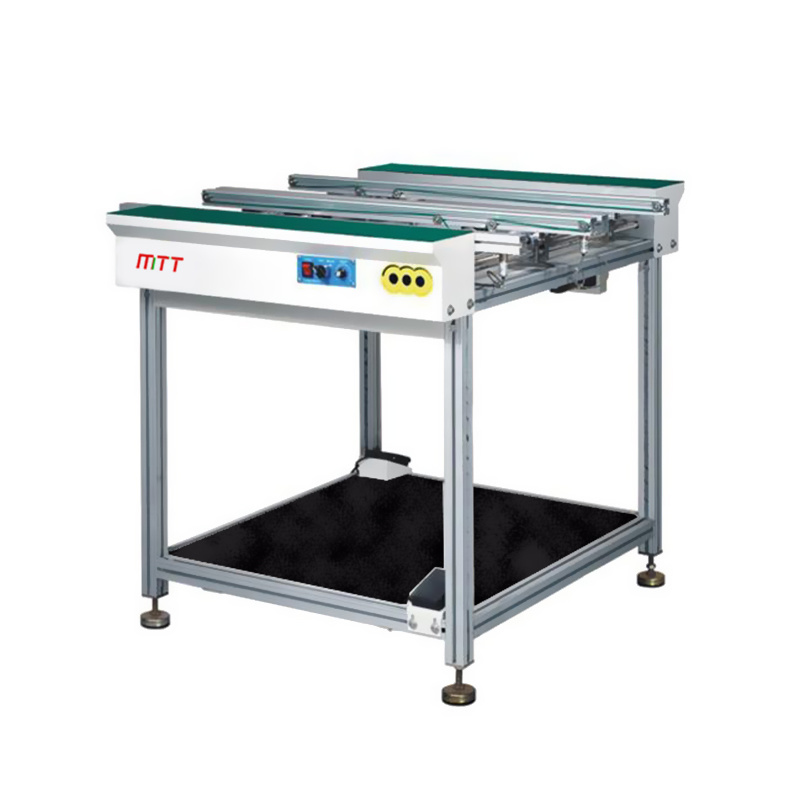
In the world of industrial equipment, particularly within the realm of chain and conveyor systems, SMT production conveyors have become an integral part of the manufacturing process. SMT, which stands for Surface Mount Technology, refers to the method of mounting electronic components directly onto the surface of printed circuit boards (PCBs). The conveyors designed specifically for this process play a crucial role in enhancing efficiency and streamlining operations.
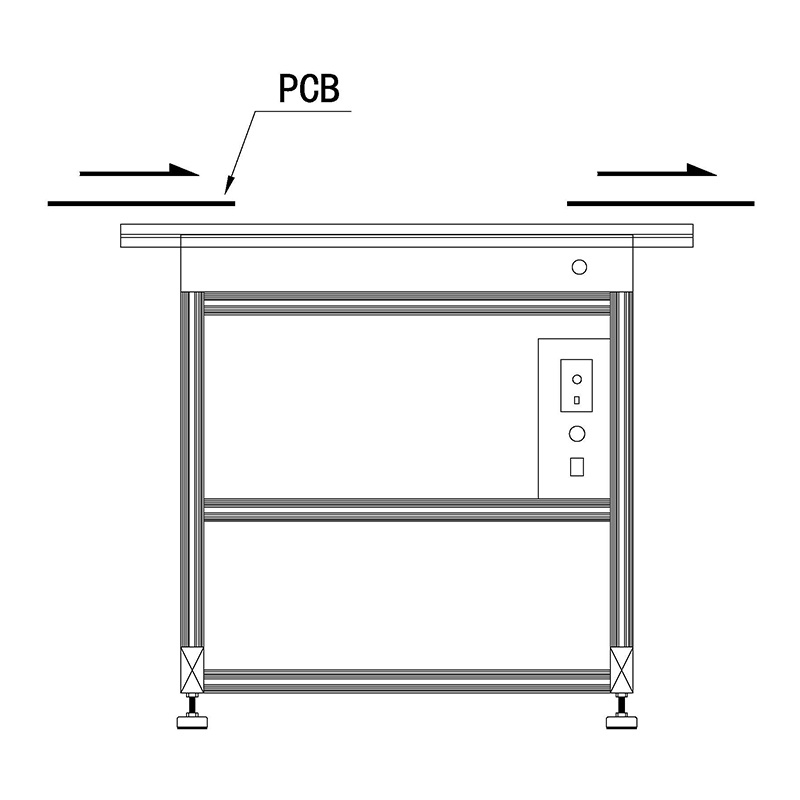
One of the primary advantages of SMT production conveyors is their ability to facilitate the smooth transportation of PCBs and components throughout the production line. These conveyors are tailored to accommodate the unique requirements of SMT, including precision alignment and controlled speed. By maintaining a consistent flow of materials, manufacturers can significantly reduce downtime and increase overall productivity.
Moreover, SMT production conveyors are often equipped with various features that enhance their functionality. For instance, adjustable speed settings allow operators to customize the conveyor's performance based on the specific needs of the production line. This flexibility can lead to optimal throughput, as it enables manufacturers to adapt to varying production demands. Additionally, the conveyors are designed to minimize product handling, thus reducing the risk of damage to delicate components during transit.
Another key feature of SMT production conveyors is their space-efficient design. Many models are compact and modular, making them easy to integrate into existing production lines without requiring extensive reconfiguration. This adaptability is particularly beneficial for companies looking to expand their operations or upgrade their equipment without overwhelming their workspace.
Furthermore, the reliability of SMT production conveyors is paramount. With high-quality construction and robust materials, these conveyors can withstand the rigors of continuous operation, ensuring minimal interruptions. Regular maintenance and proper care can extend the lifespan of the equipment, making it a wise investment for manufacturers.
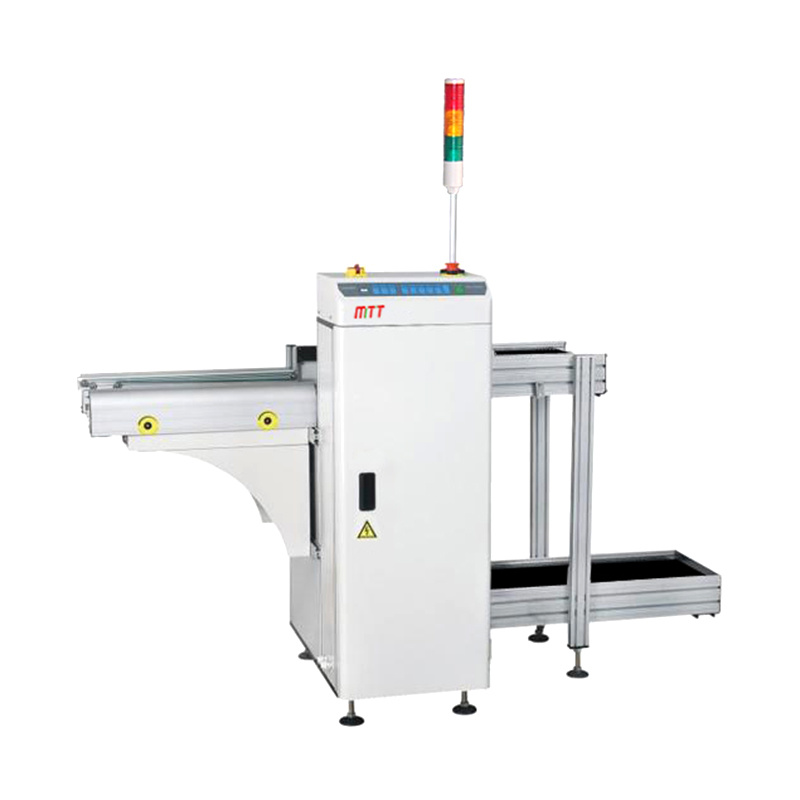
Safety is another critical aspect of SMT production conveyor systems. Many models come with built-in safety features such as emergency stop buttons, guarded moving parts, and overload protection mechanisms, ensuring a safer working environment for employees. This focus on safety not only protects workers but also helps to maintain compliance with industry regulations.
In conclusion, SMT production conveyors are essential tools for modern manufacturing processes, especially in industries reliant on electronic component assembly. Their ability to enhance efficiency, improve safety, and adapt to various production needs makes them a vital part of any industrial operation. By investing in the right SMT production conveyor system, manufacturers can achieve significant improvements in workflow and productivity, ultimately leading to greater success in an increasingly competitive market.
One of the primary advantages of SMT production conveyors is their ability to facilitate the smooth transportation of PCBs and components throughout the production line. These conveyors are tailored to accommodate the unique requirements of SMT, including precision alignment and controlled speed. By maintaining a consistent flow of materials, manufacturers can significantly reduce downtime and increase overall productivity.
Moreover, SMT production conveyors are often equipped with various features that enhance their functionality. For instance, adjustable speed settings allow operators to customize the conveyor's performance based on the specific needs of the production line. This flexibility can lead to optimal throughput, as it enables manufacturers to adapt to varying production demands. Additionally, the conveyors are designed to minimize product handling, thus reducing the risk of damage to delicate components during transit.
Another key feature of SMT production conveyors is their space-efficient design. Many models are compact and modular, making them easy to integrate into existing production lines without requiring extensive reconfiguration. This adaptability is particularly beneficial for companies looking to expand their operations or upgrade their equipment without overwhelming their workspace.
Furthermore, the reliability of SMT production conveyors is paramount. With high-quality construction and robust materials, these conveyors can withstand the rigors of continuous operation, ensuring minimal interruptions. Regular maintenance and proper care can extend the lifespan of the equipment, making it a wise investment for manufacturers.
Safety is another critical aspect of SMT production conveyor systems. Many models come with built-in safety features such as emergency stop buttons, guarded moving parts, and overload protection mechanisms, ensuring a safer working environment for employees. This focus on safety not only protects workers but also helps to maintain compliance with industry regulations.
In conclusion, SMT production conveyors are essential tools for modern manufacturing processes, especially in industries reliant on electronic component assembly. Their ability to enhance efficiency, improve safety, and adapt to various production needs makes them a vital part of any industrial operation. By investing in the right SMT production conveyor system, manufacturers can achieve significant improvements in workflow and productivity, ultimately leading to greater success in an increasingly competitive market.
Related News