

SMT Conveyors: The Backbone of Modern Manufacturing for Enhanced Efficiency


2026-01-18
Understanding SMT Conveyors: The Backbone of Modern Manufacturing
In the fast-paced world of modern manufacturing, efficiency and precision are paramount. **Surface Mount Technology (SMT) conveyors** have emerged as integral components in optimizing production lines. These conveyors streamline processes, reduce manual handling, and enhance productivity, making them essential for any manufacturing setup. This article delves into the intricacies of SMT conveyors, exploring their types, benefits, and future trends in the manufacturing sector.
Table of Contents
- 1. Introduction to SMT Conveyors
- 2. Types of SMT Conveyors
- 3. Benefits of SMT Conveyors in Manufacturing
- 4. Key Features of SMT Conveyors
- 5. Maintenance and Safety Considerations
- 6. Future Trends in SMT Conveyors
- 7. Frequently Asked Questions
- 8. Conclusion
1. Introduction to SMT Conveyors
SMT conveyors play a crucial role in the assembly and manufacturing processes, particularly in electronics production. They are specialized systems designed to transport products between different stages of production efficiently. By integrating SMT conveyors into manufacturing lines, companies can achieve **greater automation, reduced labor costs**, and a more streamlined workflow.
The essence of SMT conveyor systems lies in their ability to handle various components, from circuit boards to intricate electronic devices, ensuring that manufacturing processes are both rapid and reliable.
2. Types of SMT Conveyors
Understanding the different types of SMT conveyors available is crucial for optimizing manufacturing processes. Each type serves a unique purpose and is suited for specific applications.
2.1 Belt Conveyors
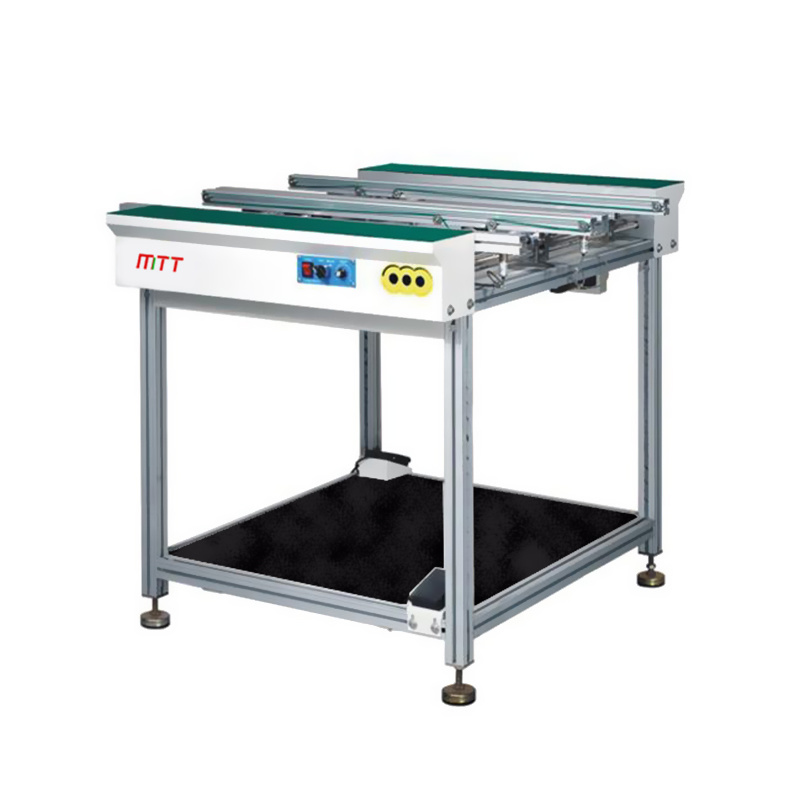
Belt conveyors are one of the most common types of SMT conveyors. They consist of a continuous loop of material that transports items from one point to another. The flexibility in design allows for varying lengths and widths, making them adaptable to different manufacturing setups.
**Advantages of Belt Conveyors:**
- **Cost-Effective:** They are generally cheaper to install and maintain.
- **Versatile:** Can handle a wide range of products, from small electronic components to larger assemblies.
- **Ease of Use:** Simple operation and low maintenance requirements.
2.2 Chain Conveyors
Chain conveyors are designed for heavy-duty applications. They utilize a chain mechanism to move materials, making them ideal for transporting heavier items.
**Advantages of Chain Conveyors:**
- **Durability:** Suitable for heavy loads and harsh environments.
- **Reliability:** Less prone to slippage compared to belt systems.
- **Efficiency:** Can operate at high speeds, enhancing overall production.
2.3 Roller Conveyors
Roller conveyors use rollers to move products along the manufacturing line. They are particularly effective for transporting items that have a flat surface.
**Advantages of Roller Conveyors:**
- **Gravity-Powered:** Ideal for short distances where elevation changes are involved.
- **Easy to Maintain:** Simple design leads to lower maintenance costs.
- **Flexible Layouts:** Can be configured in various orientations to suit the manufacturing environment.
3. Benefits of SMT Conveyors in Manufacturing
Incorporating SMT conveyors into manufacturing processes yields several key benefits that contribute to enhanced operational efficiency.
3.1 Increased Efficiency
SMT conveyors are designed to minimize downtime and enhance productivity. By automating the movement of materials, manufacturers can significantly cut down on lead times. This efficiency translates to faster production cycles and improved overall throughput.
3.2 Improved Productivity
With minimized manual handling, workers can concentrate on more complex tasks that require human intervention. SMT conveyors allow for concurrent operations, meaning that while one product is being assembled, another can be transported, thereby maximizing productivity.
3.3 Enhanced Quality Control
SMT conveyors facilitate better control over the manufacturing process. They incorporate features such as sensors and automation systems that monitor the quality of products being transported. This capability ensures that defects are caught early in the process, reducing waste and improving overall product quality.
4. Key Features of SMT Conveyors
Understanding the key features of SMT conveyors is vital for selecting the right system for your manufacturing needs. Some of the most important features include:
- **Modularity:** Many SMT conveyor systems are modular, allowing for easy customization and expansion as manufacturing needs change.
- **Speed Control:** Variable speed controls enable operators to adjust the conveyor speed based on production requirements.
- **Integration with Automation:** SMT conveyors can be seamlessly integrated with other automated systems, such as robotic arms and inspection stations, to enhance operational flow.
- **Durability and Reliability:** Robust construction materials ensure long-lasting performance and reduced maintenance needs.
5. Maintenance and Safety Considerations
While SMT conveyors provide numerous benefits, proper maintenance and safety protocols are essential to ensure their effective operation. Regular inspection and maintenance can prevent costly downtime and extend the lifespan of the equipment.
**Maintenance Tips:**
- Conduct routine inspections to identify wear and tear on components.
- Ensure proper lubrication of moving parts to reduce friction and prevent breakdowns.
- Train employees on safety practices related to conveyor operation to minimize accidents.
6. Future Trends in SMT Conveyors
The manufacturing landscape is continuously evolving, and SMT conveyors are no exception. Some emerging trends include:
- **Smart Technology Integration:** The rise of Industry 4.0 has led to the integration of IoT technology in SMT conveyors, allowing for real-time monitoring and data analysis.
- **Sustainability Practices:** Manufacturers are increasingly looking for eco-friendly conveyor solutions that reduce energy consumption and minimize waste.
- **Advanced Automation:** The development of autonomous conveyors that can adapt to varying workloads and production demands is on the horizon.
7. Frequently Asked Questions
What materials are typically used for SMT conveyors?
SMT conveyors can be made from various materials, including stainless steel, aluminum, and plastic, depending on the application requirements.
How can I determine the right type of SMT conveyor for my manufacturing needs?
Assess your production volume, the weight of materials, and the layout of your manufacturing line to choose the most suitable conveyor type.
What is the average lifespan of SMT conveyors?
With proper maintenance, SMT conveyors can last several years, typically ranging from 10 to 20 years, depending on usage intensity.
Are SMT conveyors suitable for cleanroom environments?
Yes, many SMT conveyors are designed to meet cleanroom standards, making them suitable for industries such as electronics and pharmaceuticals.
How do SMT conveyors contribute to lean manufacturing?
By reducing waste and optimizing workflows, SMT conveyors help streamline production processes, making them an essential component of lean manufacturing strategies.
8. Conclusion
SMT conveyors undeniably stand as the backbone of modern manufacturing, playing a pivotal role in enhancing efficiency, productivity, and quality control. By understanding the different types of SMT conveyors and their various applications, manufacturers can make informed decisions that align with their operational goals. As technology continues to evolve, embracing the latest trends in SMT conveyor systems will be crucial for companies aiming to maintain a competitive edge in the ever-changing manufacturing landscape. Investing in these systems not only boosts productivity but also paves the way for sustainable manufacturing practices that benefit both businesses and the environment.
Related News