

Enhancing Efficiency in SMT Production: The Role of Conveyors


2025-10-24
---
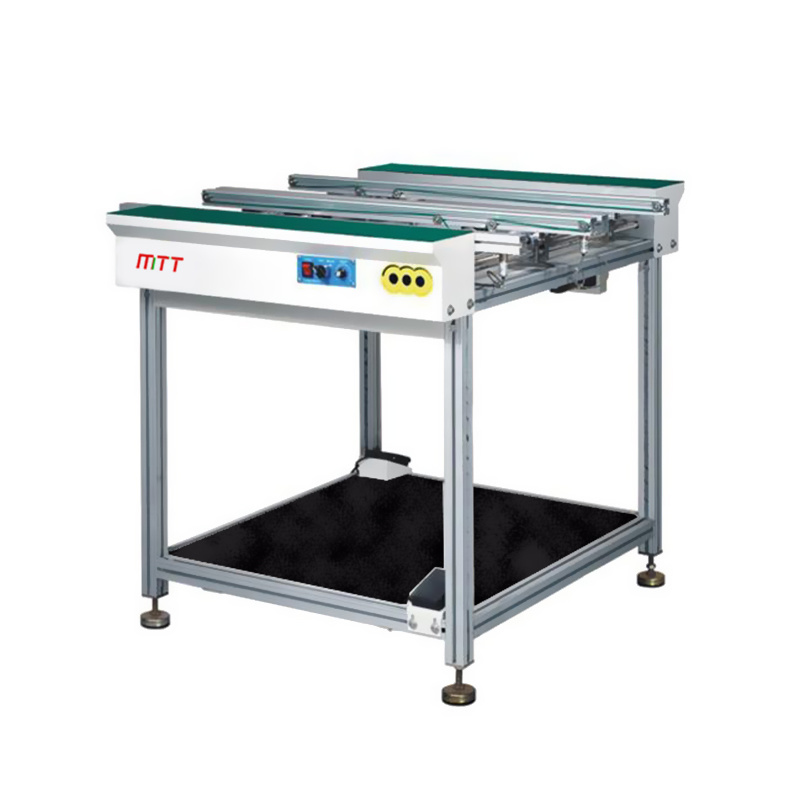
In the world of electronic manufacturing, the Surface Mount Technology (SMT) production process is pivotal for assembling electronic components onto printed circuit boards (PCBs). One of the essential tools in this process is the SMT production conveyor, which plays a critical role in ensuring that components are efficiently transported through various stages of production.
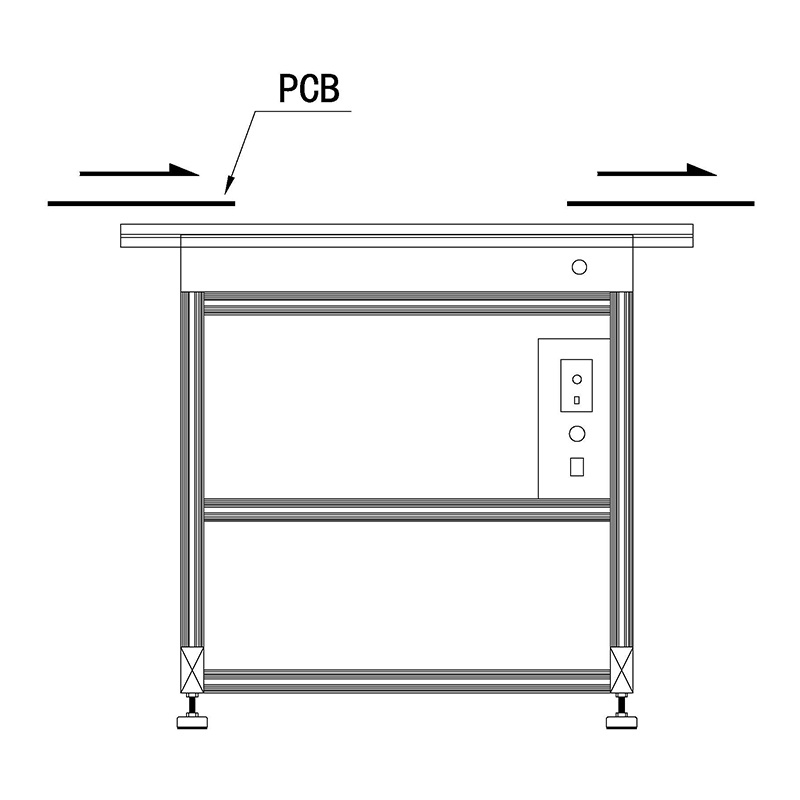
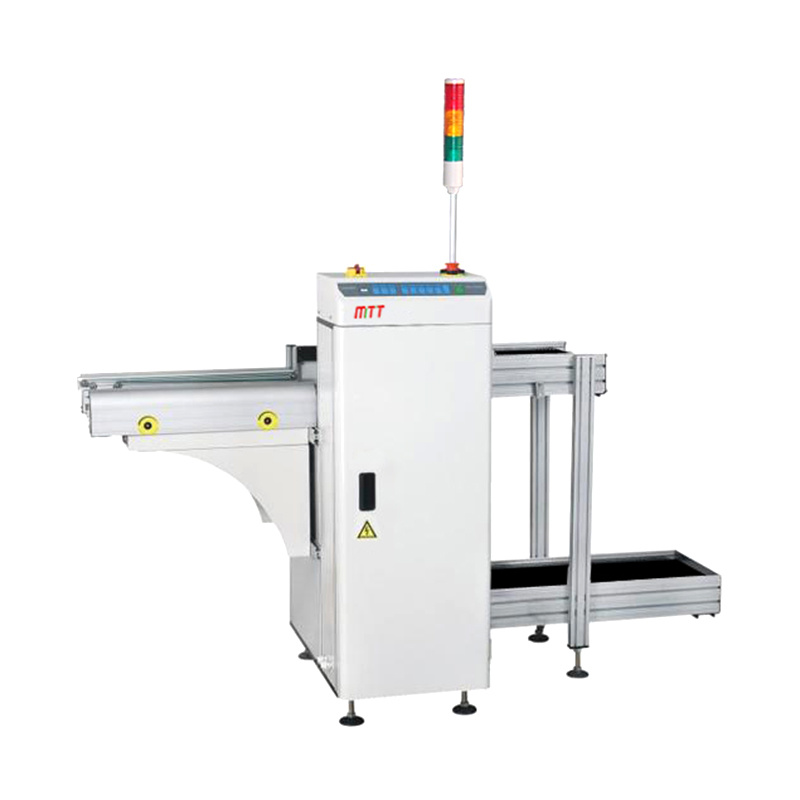
SMT production conveyors are designed to integrate seamlessly into the manufacturing process, serving as the backbone of a well-organized assembly line. By transporting PCBs between different machines, such as pick-and-place machines, reflow ovens, and inspection stations, these conveyors help maintain a steady workflow, reducing downtime and enhancing overall productivity. The design of these conveyors often accommodates various PCB sizes and weights, making them versatile and adaptable to different production needs.
One of the key benefits of using SMT production conveyors is their ability to minimize manual handling. In traditional manufacturing setups, workers often had to manually transport PCBs from one machine to another, which not only slowed down the production process but also increased the risk of damage to the delicate components. With the introduction of conveyors, the movement of PCBs becomes automated, significantly reducing the chances of errors and improving the safety of the work environment.
Moreover, the efficiency of SMT production conveyors can be further enhanced by incorporating features such as adjustable speeds and precise alignment systems. These features ensure that PCBs are transported at optimal speeds and in the correct orientation, which is vital for processes like soldering and inspection. This not only boosts the speed of production but also ensures higher quality as components are less likely to be misaligned or improperly soldered.
Another advantage of SMT production conveyors is their ability to enable real-time monitoring and quality control. Many modern systems are equipped with sensors and software that provide data on production speeds, equipment status, and potential bottlenecks. This information allows manufacturers to make informed decisions on process improvements, ensuring that production lines run smoothly and efficiently.
In conclusion, SMT production conveyors are a vital component in the electronic manufacturing industry. They enhance efficiency by automating the transport of PCBs, reducing manual handling, and allowing for real-time monitoring. By investing in high-quality conveyor systems, manufacturers can optimize their production processes, enhance product quality, and ultimately achieve greater operational success. Understanding the significance of these conveyors can pave the way for advancements in manufacturing efficiency and innovation in the electronic assembly landscape.
In the world of electronic manufacturing, the Surface Mount Technology (SMT) production process is pivotal for assembling electronic components onto printed circuit boards (PCBs). One of the essential tools in this process is the SMT production conveyor, which plays a critical role in ensuring that components are efficiently transported through various stages of production.
SMT production conveyors are designed to integrate seamlessly into the manufacturing process, serving as the backbone of a well-organized assembly line. By transporting PCBs between different machines, such as pick-and-place machines, reflow ovens, and inspection stations, these conveyors help maintain a steady workflow, reducing downtime and enhancing overall productivity. The design of these conveyors often accommodates various PCB sizes and weights, making them versatile and adaptable to different production needs.
One of the key benefits of using SMT production conveyors is their ability to minimize manual handling. In traditional manufacturing setups, workers often had to manually transport PCBs from one machine to another, which not only slowed down the production process but also increased the risk of damage to the delicate components. With the introduction of conveyors, the movement of PCBs becomes automated, significantly reducing the chances of errors and improving the safety of the work environment.
Moreover, the efficiency of SMT production conveyors can be further enhanced by incorporating features such as adjustable speeds and precise alignment systems. These features ensure that PCBs are transported at optimal speeds and in the correct orientation, which is vital for processes like soldering and inspection. This not only boosts the speed of production but also ensures higher quality as components are less likely to be misaligned or improperly soldered.
Another advantage of SMT production conveyors is their ability to enable real-time monitoring and quality control. Many modern systems are equipped with sensors and software that provide data on production speeds, equipment status, and potential bottlenecks. This information allows manufacturers to make informed decisions on process improvements, ensuring that production lines run smoothly and efficiently.
In conclusion, SMT production conveyors are a vital component in the electronic manufacturing industry. They enhance efficiency by automating the transport of PCBs, reducing manual handling, and allowing for real-time monitoring. By investing in high-quality conveyor systems, manufacturers can optimize their production processes, enhance product quality, and ultimately achieve greater operational success. Understanding the significance of these conveyors can pave the way for advancements in manufacturing efficiency and innovation in the electronic assembly landscape.
Related News