

Understanding SMT Loaders: Essential Equipment for Efficient Material Handling


2026-07-21
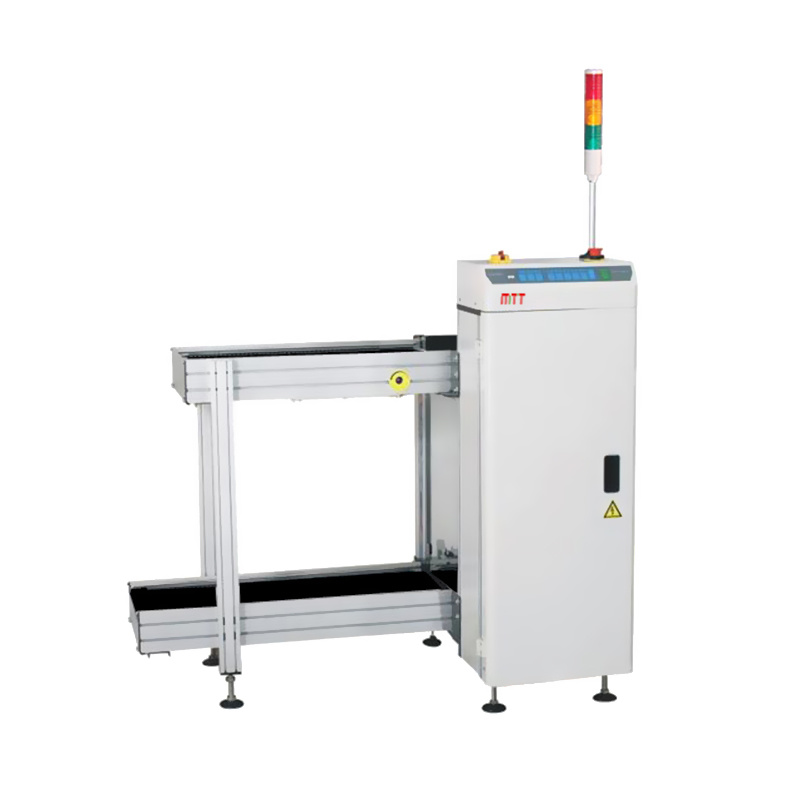
SMT loaders, or Surface Mount Technology loaders, are specialized devices used in the assembly and production processes, particularly for electronic components. While the term "loader" generally refers to machinery that facilitates the loading of materials, in the context of SMT, these loaders specifically cater to the needs of surface mount technology.
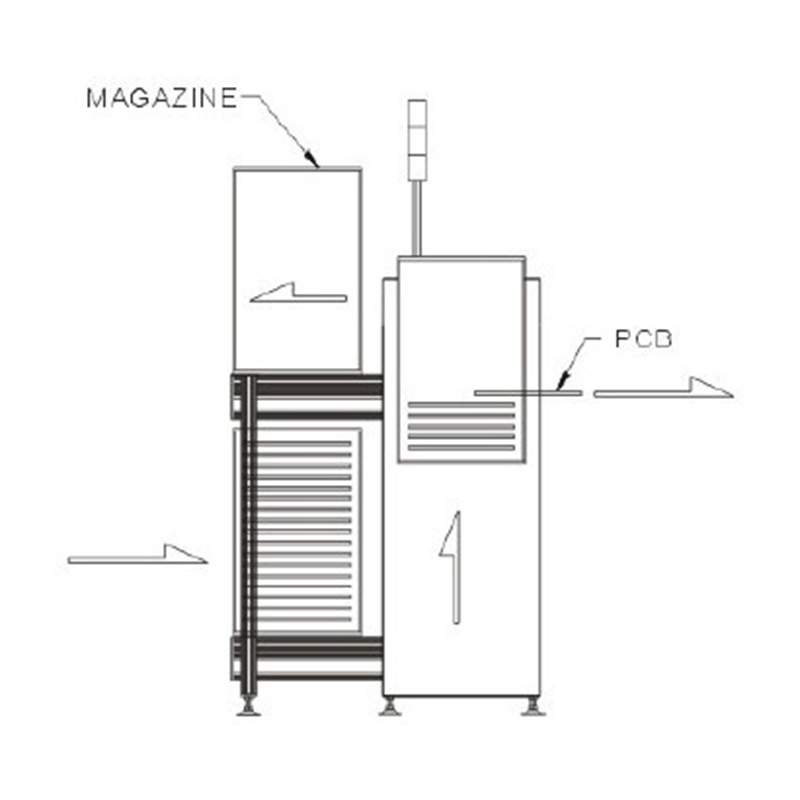
One of the primary functions of an SMT loader is to automate the process of feeding printed circuit boards (PCBs) into assembly lines. This automation significantly reduces manual handling, which not only speeds up production but also minimizes the risk of damage or errors associated with human intervention. By employing an SMT loader, manufacturers can ensure a more consistent and reliable assembly process, enhancing overall product quality.
The benefits of integrating SMT loaders into manufacturing processes extend beyond mere speed and efficiency. These machines are designed to handle a variety of board sizes and configurations, making them versatile tools for businesses that require flexibility in production. Additionally, SMT loaders often feature sophisticated technological integrations, such as vision systems that can detect misalignments or faults in components, further ensuring the precision of the assembly process.
In terms of applications, SMT loaders are predominantly utilized in electronics manufacturing plants, where they play a crucial role in the mass production of devices such as smartphones, computers, and industrial machinery. However, their functionality isn't limited to the electronics sector alone. Industries involved in the manufacturing of automotive parts, medical devices, and consumer goods also benefit from the use of SMT loaders, as these machines streamline their production lines and contribute to higher throughput.
When considering the implementation of SMT loaders within an operation, it's essential to evaluate existing workflows and determine how these machines can be integrated for maximum efficiency. Factors such as the types of products being manufactured, production volume, and the overall complexity of the assembly process should guide the decision-making process. Moreover, training staff on the proper use and maintenance of SMT loaders is crucial to ensure longevity and optimal performance.
In conclusion, SMT loaders are valuable assets in the manufacturing landscape, particularly within the fields of electronics and beyond. By automating the loading process and enhancing production efficiency, these machines not only improve the speed of operations but also contribute to higher quality outputs. As industries continue to evolve, the adoption of SMT loaders stands as a testament to the ongoing quest for innovation in manufacturing technology.
One of the primary functions of an SMT loader is to automate the process of feeding printed circuit boards (PCBs) into assembly lines. This automation significantly reduces manual handling, which not only speeds up production but also minimizes the risk of damage or errors associated with human intervention. By employing an SMT loader, manufacturers can ensure a more consistent and reliable assembly process, enhancing overall product quality.
The benefits of integrating SMT loaders into manufacturing processes extend beyond mere speed and efficiency. These machines are designed to handle a variety of board sizes and configurations, making them versatile tools for businesses that require flexibility in production. Additionally, SMT loaders often feature sophisticated technological integrations, such as vision systems that can detect misalignments or faults in components, further ensuring the precision of the assembly process.
In terms of applications, SMT loaders are predominantly utilized in electronics manufacturing plants, where they play a crucial role in the mass production of devices such as smartphones, computers, and industrial machinery. However, their functionality isn't limited to the electronics sector alone. Industries involved in the manufacturing of automotive parts, medical devices, and consumer goods also benefit from the use of SMT loaders, as these machines streamline their production lines and contribute to higher throughput.
When considering the implementation of SMT loaders within an operation, it's essential to evaluate existing workflows and determine how these machines can be integrated for maximum efficiency. Factors such as the types of products being manufactured, production volume, and the overall complexity of the assembly process should guide the decision-making process. Moreover, training staff on the proper use and maintenance of SMT loaders is crucial to ensure longevity and optimal performance.
In conclusion, SMT loaders are valuable assets in the manufacturing landscape, particularly within the fields of electronics and beyond. By automating the loading process and enhancing production efficiency, these machines not only improve the speed of operations but also contribute to higher quality outputs. As industries continue to evolve, the adoption of SMT loaders stands as a testament to the ongoing quest for innovation in manufacturing technology.
Related News