

The Impact of SMT Line Conveyors on Production Line Safety: Enhancing Efficiency and Safeguarding Workers


2026-07-06
The Impact of SMT Line Conveyors on Production Line Safety
Introduction: Understanding SMT Line Conveyors
In the fast-paced world of manufacturing, especially within the electronics industry, Surface Mount Technology (SMT) line conveyors play a pivotal role in maintaining both efficiency and safety on production lines. These conveyors are designed to transport components seamlessly, allowing for a streamlined assembly process. However, their impact extends far beyond mere transportation; they are integral to creating a safe working environment. In this article, we delve into the various ways SMT line conveyors enhance production line safety, ensuring that companies can operate effectively while prioritizing the well-being of their workers.
Table of Contents
1. The Importance of Safety in Production Lines
2. What Are SMT Line Conveyors?
3. Key Features of SMT Line Conveyors That Enhance Safety
3.1. Ergonomic Design
3.2. Safety Sensors and Emergency Stops
3.3. Durable Materials and Construction
4. Reducing Workplace Hazards with SMT Line Conveyors
5. Operational Efficiency and Its Connection to Safety
6. Case Studies: Successful Implementation of SMT Line Conveyors
7. FAQs About SMT Line Conveyors and Production Line Safety
8. Conclusion: Embracing SMT Line Conveyors for a Safer Future
1. The Importance of Safety in Production Lines
Safety in production lines is not just a regulatory requirement but a fundamental aspect of operational excellence. A safe working environment minimizes accidents, reduces downtime, and fosters a culture of responsibility among employees. When workers feel secure, they can focus on their tasks with greater efficiency, leading to an overall boost in productivity. Therefore, integrating innovative solutions, such as SMT line conveyors, is crucial for any manufacturing facility aiming to enhance safety standards.
2. What Are SMT Line Conveyors?
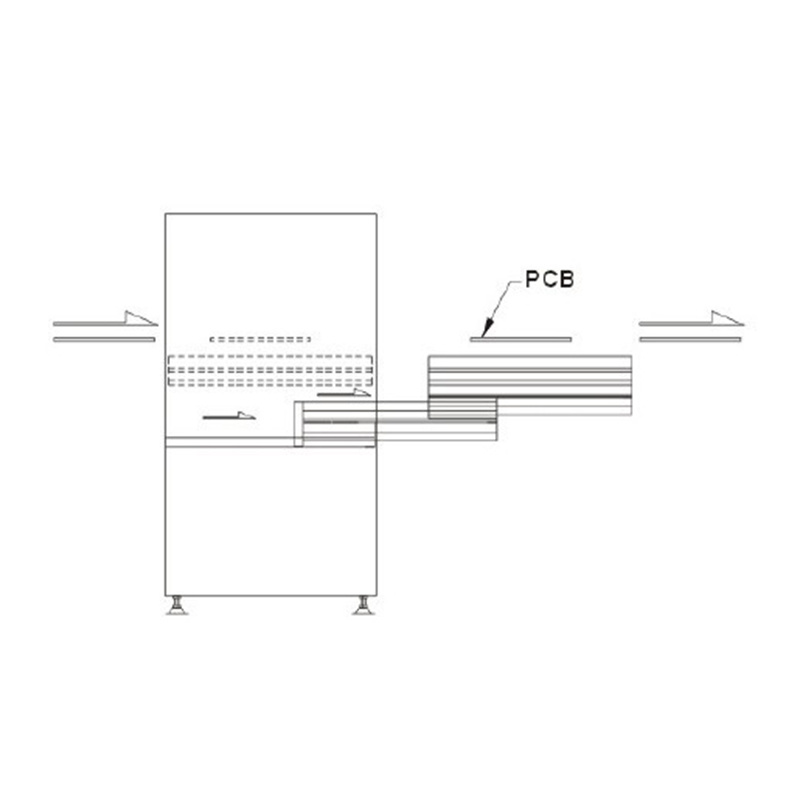
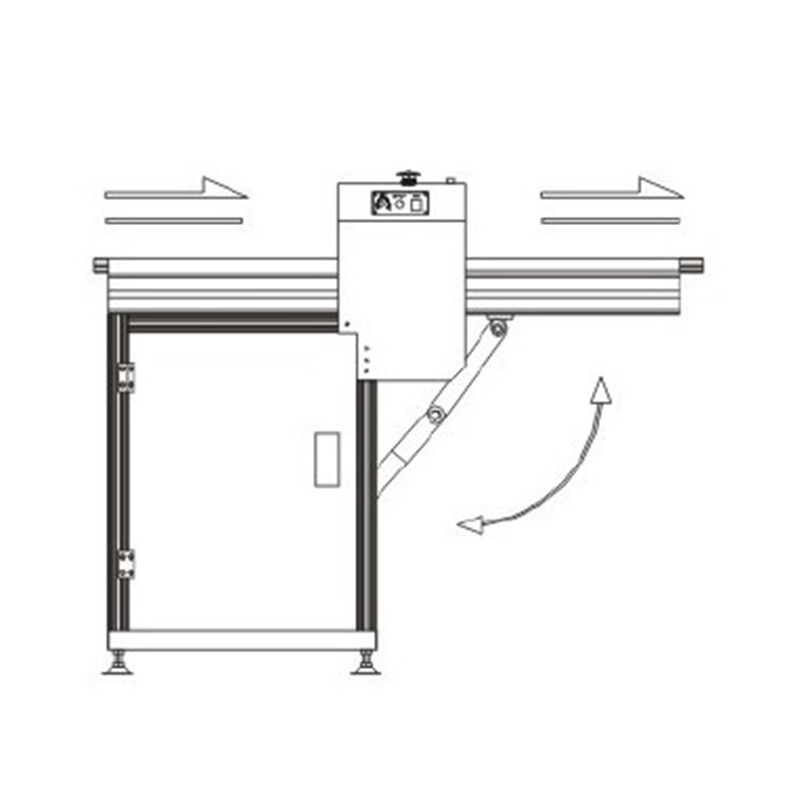
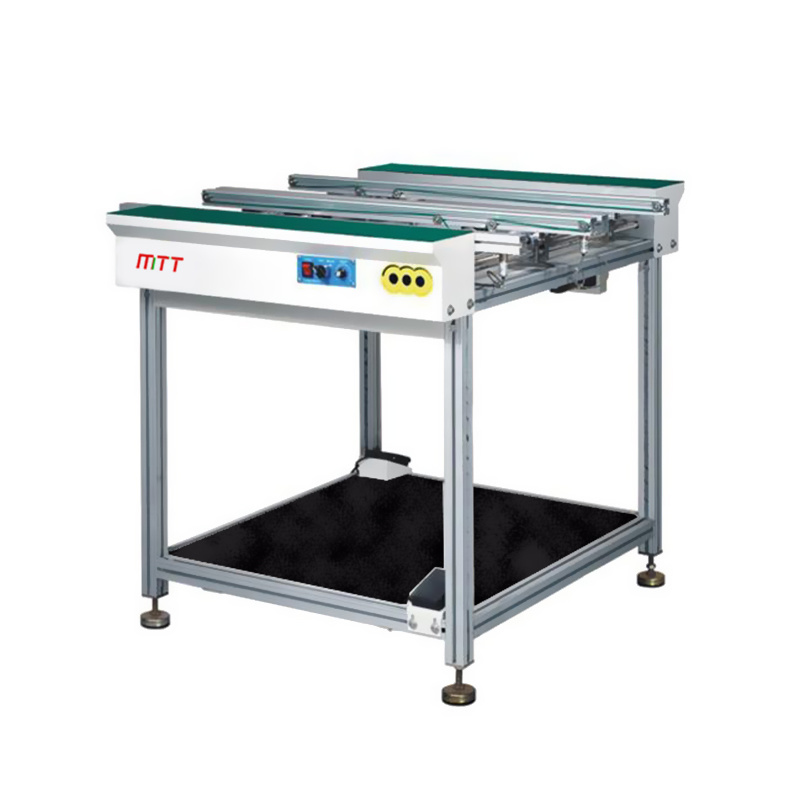
SMT line conveyors are specialized systems designed to transport electronic components during the manufacturing process. These conveyors are characterized by their ability to handle small, delicate parts efficiently, ensuring that they reach various stages of assembly without damage. They are often equipped with features that facilitate smooth transport while adhering to safety protocols. The integration of SMT line conveyors into a production workflow can significantly enhance both speed and safety.
3. Key Features of SMT Line Conveyors That Enhance Safety
3.1. Ergonomic Design
An ergonomic design is one of the most significant qualities of SMT line conveyors. These systems are designed to reduce physical strain on workers by allowing for easy access to components without the need for awkward bending or reaching. By positioning the conveyor at an optimal height and ensuring it operates smoothly, manufacturers can minimize the risk of musculoskeletal injuries among employees.
3.2. Safety Sensors and Emergency Stops
Modern SMT line conveyors come equipped with advanced safety sensors and emergency stop mechanisms. These features automatically halt the conveyor in the event of an obstruction or hazard, preventing injuries and equipment damage. This proactive approach to safety ensures that workers can operate in a secure environment, knowing that immediate action can be taken in case of an emergency.
3.3. Durable Materials and Construction
Safety also extends to the materials used in constructing SMT line conveyors. Durable, high-quality materials not only ensure the longevity of the equipment but also reduce the likelihood of breakdowns that could lead to accidents. For instance, conveyors made with non-slip surfaces provide secure footing for workers, while robust frames can withstand the rigors of daily operations.
4. Reducing Workplace Hazards with SMT Line Conveyors
The integration of SMT line conveyors is instrumental in reducing various workplace hazards. By automating the transport of components, the need for manual handling is significantly diminished. This reduction in handling lowers the risk of accidents, such as drops or spills, which can lead to injuries. Furthermore, these conveyors often feature enclosed designs that prevent dust accumulation and exposure to hazardous materials, thereby improving air quality and overall workplace safety.
5. Operational Efficiency and Its Connection to Safety
Operational efficiency and safety go hand in hand in a manufacturing setting. When SMT line conveyors are employed, the production process becomes more streamlined, which reduces the likelihood of errors and accidents. Efficient operations also mean less downtime, allowing workers to focus on their tasks without the interruptions that can arise from accidents. Ultimately, investing in SMT line conveyors can lead to a safer work environment and higher productivity levels.
6. Case Studies: Successful Implementation of SMT Line Conveyors
Real-world examples illustrate the positive impact of SMT line conveyors on production line safety. Several companies have reported significant reductions in workplace incidents after integrating these systems into their operations. For instance, a leading electronics manufacturer implemented SMT line conveyors and experienced a 40% decrease in accidents related to manual handling. This transformation not only improved employee morale but also enhanced overall production efficiency, showcasing the dual benefits of prioritizing safety through advanced conveyor systems.
7. FAQs About SMT Line Conveyors and Production Line Safety
7.1. How do SMT line conveyors improve production line safety?
SMT line conveyors enhance safety by minimizing manual handling, incorporating safety sensors, and promoting ergonomic design, all of which reduce workplace hazards.
7.2. Are SMT line conveyors customizable for different production needs?
Yes, SMT line conveyors can be customized to fit various production requirements, including adjustable heights and specialized configurations for different components.
7.3. What maintenance is required for SMT line conveyors to ensure safety?
Regular inspections, cleaning, and prompt repairs of any worn components are essential to maintain the safety and functionality of SMT line conveyors.
7.4. Can SMT line conveyors be integrated into existing production lines?
Absolutely, SMT line conveyors can be integrated with minimal disruption to existing operations, allowing for a seamless transition to a safer and more efficient system.
7.5. What is the return on investment for implementing SMT line conveyors?
The ROI for SMT line conveyors typically includes reduced labor costs, lower accident rates, and increased productivity, making them a worthwhile investment for manufacturers.
8. Conclusion: Embracing SMT Line Conveyors for a Safer Future
In conclusion, the impact of SMT line conveyors on production line safety cannot be overstated. By implementing these advanced systems, manufacturers can significantly reduce workplace hazards while enhancing operational efficiency. The combination of ergonomic design, safety features, and durable construction ensures that employees can perform their tasks in a secure environment. As we move towards a future with more automation and innovation in manufacturing, embracing SMT line conveyors will be key to creating safer workplaces and fostering a culture of safety and productivity. Emphasizing the importance of these systems not only protects workers but also contributes to the overall success and sustainability of manufacturing operations.
Related News