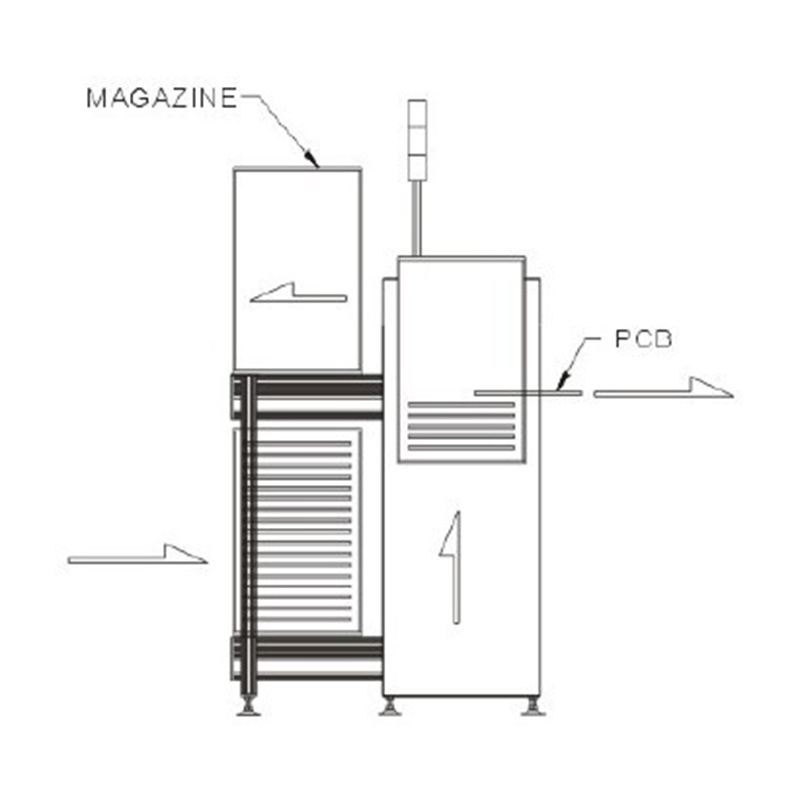


Understanding SMT Transfer Conveyors: The Backbone of Efficient Manufacturing


2026-07-01
SMT Transfer Conveyors, or Surface Mount Technology Transfer Conveyors, are specialized systems designed to facilitate the movement of components during the assembly process in electronics manufacturing. These conveyors are pivotal in ensuring that products are handled efficiently and with minimal risk of damage, making them a vital component in the production line.
One of the primary advantages of SMT Transfer Conveyors is their ability to automate the transportation of printed circuit boards (PCBs) and other electronic components throughout the manufacturing process. This automation not only reduces the manual labor required but also significantly increases the speed at which products can be assembled and tested. By employing these conveyors, manufacturers can achieve higher output rates, thereby meeting the demands of a competitive market.
Another critical aspect of SMT Transfer Conveyors is their design flexibility. They can be configured to accommodate various sizes and types of components, ensuring compatibility with different manufacturing setups. This adaptability allows manufacturers to modify their production lines swiftly in response to changing product designs or market demands, thereby enhancing operational efficiency.
Maintenance and reliability are also essential considerations when it comes to SMT Transfer Conveyors. Most systems are designed with high-quality materials and engineering standards, which contribute to their longevity and performance. Regular maintenance is still necessary, but the robust construction of these conveyors often translates to reduced downtime and fewer operational issues, allowing for continuous production flow.
The integration of advanced technologies, such as smart sensors and automated control systems, has further enhanced the effectiveness of SMT Transfer Conveyors. These technologies enable real-time monitoring and adjustments, allowing for proactive management of the production line. By leveraging data analytics, manufacturers can identify bottlenecks and optimize their processes, ultimately leading to increased efficiency and reduced waste.
In conclusion, SMT Transfer Conveyors are an indispensable asset in the industrial equipment landscape, particularly for those involved in electronics manufacturing. By automating the transport of components, offering design flexibility, and incorporating advanced monitoring technologies, these conveyors help manufacturers optimize their production processes. Understanding the role and advantages of SMT Transfer Conveyors can empower industry professionals to make informed decisions that drive productivity and efficiency in their operations.
Related News