

How to Maintain Your SMT Loader for Optimal Performance: A Comprehensive Guide


2026-06-06
How to Maintain Your SMT Loader for Optimal Performance
Introduction to SMT Loaders in Manufacturing
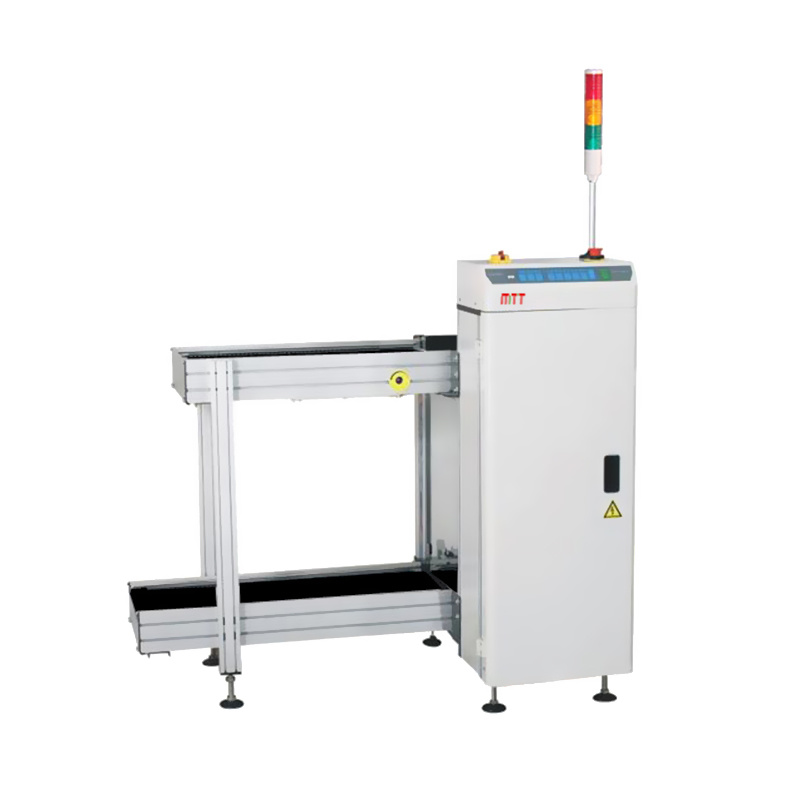
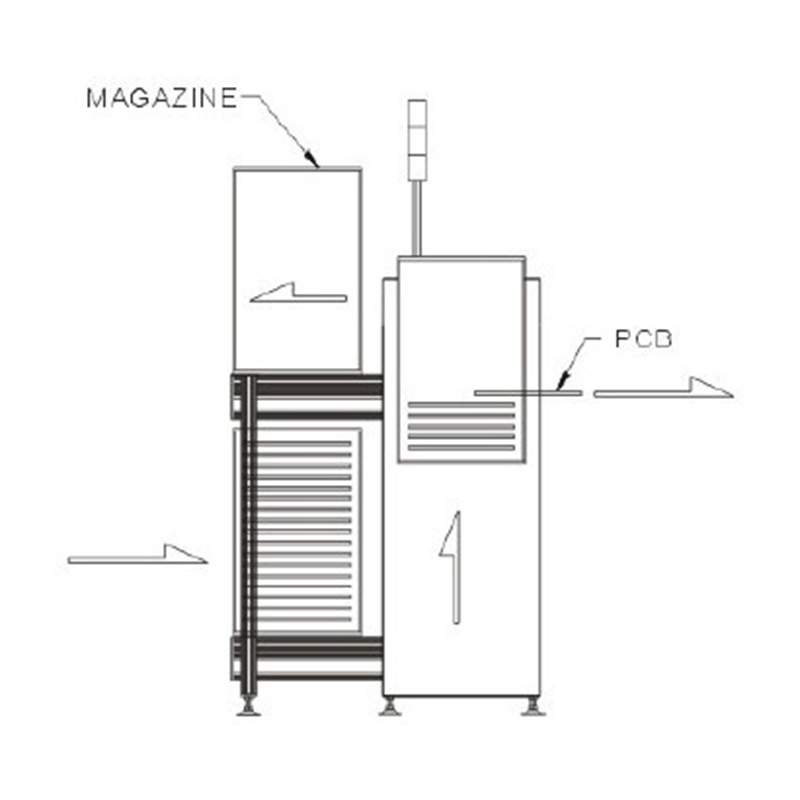
In the realm of **manufacturing and construction machinery**, Surface Mount Technology (SMT) loaders play a critical role in the assembly of electronic components. These machines facilitate the precise placement of components onto printed circuit boards (PCBs), making them invaluable in industries where efficiency and accuracy are paramount. However, like any sophisticated machinery, SMT loaders require regular maintenance to operate at their best. This guide explores effective maintenance strategies that will ensure your SMT loader continues to perform optimally.
Understanding the Importance of Maintenance
Routine maintenance of your SMT loader is not merely a suggestion; it is a necessity. Regular upkeep helps to prevent breakdowns, prolong the life of the machine, and maintain high production standards. The costs associated with unplanned downtime can be significant, impacting both productivity and profitability. By investing time and resources into maintenance, we can avoid these pitfalls and ensure smooth operations.
Common Issues Arising from Poor Maintenance
Neglecting maintenance can lead to various issues, including:
- **Mechanical Failures:** Worn-out parts can cause malfunctions.
- **Software Glitches:** Outdated software can affect performance.
- **Increased Downtime:** Poor maintenance leads to unexpected breakdowns.
- **Reduced Efficiency:** Machines may operate slower or less accurately.
Key Components of SMT Loader Maintenance
To maintain your SMT loader effectively, we need to concentrate on several critical components. Each part plays a role in the overall functionality of the loader, and ensuring their optimal performance is paramount.
1. Regular Cleaning Procedures
Keeping your SMT loader clean is essential for preventing dust and debris from interfering with its operation. Regular cleaning involves:
- **Exterior Cleaning:** Wipe down surfaces and remove any accumulated dust.
- **Interior Cleaning:** Use compressed air to blow out dust from internal components.
- **Track Maintenance:** Ensure the tracks are free from debris that could hinder movement.
2. Lubrication of Moving Parts
Proper lubrication is crucial for reducing friction and wear on moving parts. Follow these steps:
- **Identify Lubrication Points:** Consult the OEM manual for lubrication points.
- **Use Quality Lubricants:** Only use lubricants recommended by the manufacturer.
- **Schedule Regular Lubrication:** Create a schedule for lubrication, typically every 100 hours of operation.
3. Inspection of Electrical Components
Electrical components are vital for the operation of SMT loaders. Regular inspections should include:
- **Wiring Checks:** Look for signs of wear or damage in wiring harnesses.
- **Connection Integrity:** Ensure all electrical connections are secure.
- **Software Updates:** Regularly check and update the loader’s software for optimal performance.
4. Calibration of the SMT Loader
Calibration ensures that the SMT loader operates with precision. Regular calibration checks include:
- **Position Accuracy:** Verify that the loader accurately places components.
- **Speed Verification:** Ensure that the loader operates at the intended speed.
- **Component Alignment:** Check that components are aligned correctly for placement.
Creating a Maintenance Schedule
A structured maintenance schedule is essential for systematic upkeep. Here’s how to create an effective one:
1. Daily Maintenance Tasks
- Conduct visual inspections of the machine.
- Check and refill lubricants as necessary.
- Clean the machine surfaces and any exposed components.
2. Weekly Maintenance Tasks
- Thoroughly clean interior components.
- Inspect all electrical connections.
- Check for any unusual noises or vibrations during operation.
3. Monthly Maintenance Tasks
- Perform a detailed inspection of moving parts.
- Conduct full calibration checks.
- Update software and check for necessary firmware updates.
Troubleshooting Common SMT Loader Problems
Even with diligent maintenance, problems can arise. Here are common issues and troubleshooting tips:
1. Loader Not Picking Components
- **Check the Vacuum System:** Ensure that the vacuum is functioning properly.
- **Inspect Component Feeder:** Look for jams or misalignments.
2. Unusual Noises During Operation
- **Examine Moving Parts:** Look for signs of wear and tear.
- **Check Belt Tension:** Ensure that belts are not too loose or too tight.
3. Inconsistent Placement Accuracy
- **Recalibrate the Loader:** Regular calibration checks can address this.
- **Inspect Sensors:** Ensure that sensors are clean and functioning.
Best Practices for SMT Loader Maintenance
Implementing best practices for maintenance can enhance performance and reliability. These include:
1. Training Staff on Maintenance Protocols
Ensure that all operators understand the importance of maintenance and are trained in specific procedures.
2. Documenting Maintenance Activities
Keep a detailed log of all maintenance activities, including dates, tasks performed, and any issues identified.
3. Engaging Professional Services
In addition to internal maintenance, schedule periodic inspections by qualified technicians.
FAQs About SMT Loader Maintenance
1. How often should I service my SMT loader?
Service your SMT loader according to the manufacturer’s recommendations, but generally, a combination of daily, weekly, and monthly maintenance is advisable.
2. What are the signs that my SMT loader needs maintenance?
Signs include unusual noises, decreased performance, and frequent error messages.
3. Can I perform maintenance on my SMT loader myself?
Yes, many maintenance tasks can be performed in-house, but always consult the OEM manual for guidance.
4. What type of lubricant should I use?
Always use lubricants specified by the manufacturer to avoid damaging components.
5. How can I improve the longevity of my SMT loader?
Regular maintenance, proper cleaning, and timely repairs are key factors in extending your loader’s lifespan.
Conclusion
Maintaining your SMT loader for optimal performance is not merely a task; it is an investment in the future reliability and efficiency of your manufacturing processes. By adhering to a structured maintenance schedule, following best practices, and being vigilant about potential problems, we can maximize the performance of our SMT loaders. This not only ensures uninterrupted production but also enhances the overall quality of our output, ultimately benefiting our bottom line. Take proactive steps today, and your SMT loader will serve you well for years to come.
Related News