

Understanding SMT Conveyors: Key Components and Benefits in Industrial Applications


2026-05-20
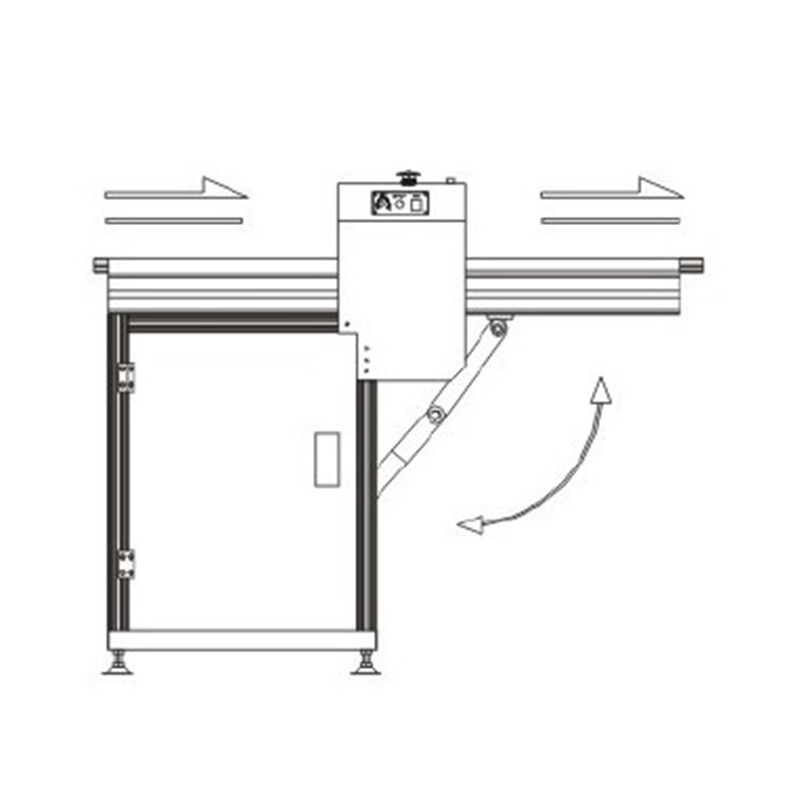
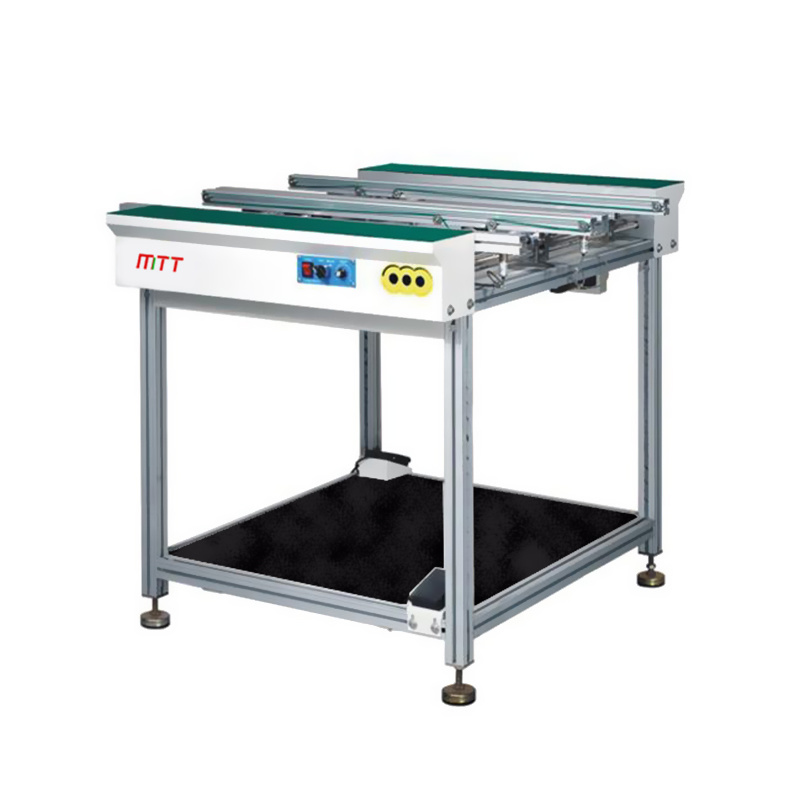
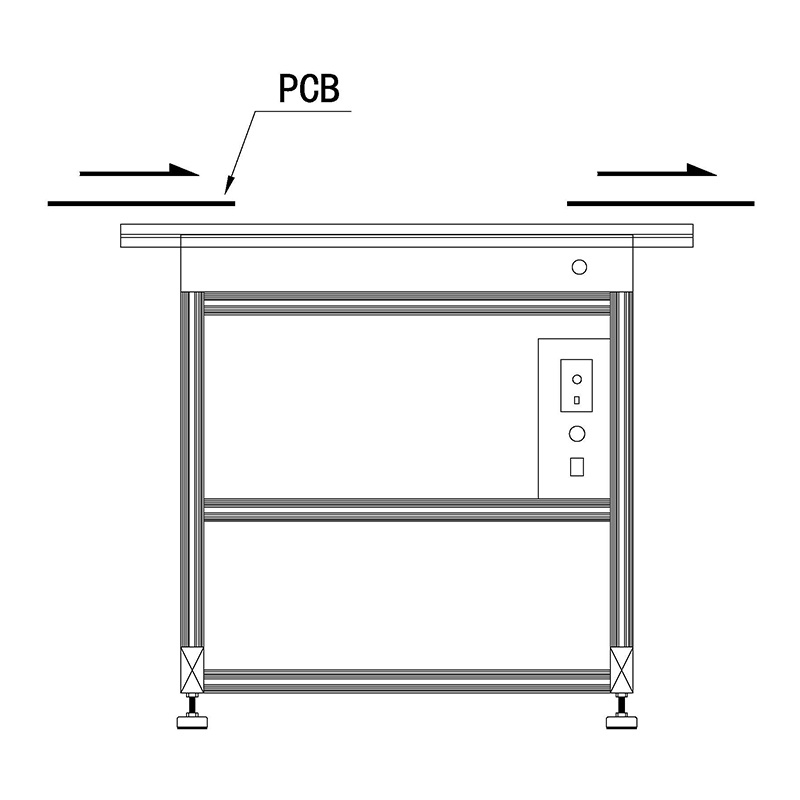
SMT (Surface Mount Technology) conveyors are vital components in modern manufacturing processes, particularly in electronics assembly. They are designed to transport printed circuit boards (PCBs) and other components through various stages of production. Understanding the function, design, and benefits of SMT conveyors can help businesses improve productivity and streamline operations.
One of the key characteristics of SMT conveyors is their ability to provide a controlled transport environment for sensitive components. These conveyors are typically equipped with features such as adjustable speed settings, which allow for precise control over the movement of materials. This is crucial in environments where timing and accuracy are vital, as even minor delays can lead to production bottlenecks.
Another important aspect of SMT conveyors is their modular design. Many systems are customizable, allowing businesses to configure them based on their specific production layouts and requirements. This flexibility ensures that companies can adapt to changes in production volume or types of products being manufactured without the need for significant investments in new equipment.
SMT conveyors are also designed with ease of maintenance in mind. They often incorporate components that can be easily accessed and replaced, minimizing downtime during maintenance operations. This is particularly important in industrial settings where operational efficiency is paramount. Regular maintenance helps to ensure that these conveyors operate at optimal performance levels, reducing the risk of unexpected breakdowns that could disrupt production.
In terms of technology, SMT conveyors often integrate advanced control systems. These systems can include features such as sensors and automation controls that help monitor the transport process in real-time. Such technology can enhance the reliability of the conveyor system, allowing for immediate responses to any issues that may arise during operation.
Moreover, incorporating SMT conveyors into an assembly line can lead to significant improvements in overall workflow. Because they can seamlessly connect various stages of production, businesses can achieve a more streamlined process, reducing manual handling of components and minimizing the risk of damage. This not only enhances efficiency but can also lead to higher quality outputs, as products are handled with care throughout the manufacturing process.
In conclusion, SMT conveyors play an essential role in the modern industrial landscape, offering a range of benefits that include enhanced control, modular design, ease of maintenance, and integration with advanced technology. By leveraging these conveyors, businesses can optimize their production processes, ultimately leading to improved productivity and reduced operational costs. Understanding the functionality and advantages of SMT conveyors can help professionals make informed decisions about their manufacturing infrastructure and drive success in their operations.
One of the key characteristics of SMT conveyors is their ability to provide a controlled transport environment for sensitive components. These conveyors are typically equipped with features such as adjustable speed settings, which allow for precise control over the movement of materials. This is crucial in environments where timing and accuracy are vital, as even minor delays can lead to production bottlenecks.
Another important aspect of SMT conveyors is their modular design. Many systems are customizable, allowing businesses to configure them based on their specific production layouts and requirements. This flexibility ensures that companies can adapt to changes in production volume or types of products being manufactured without the need for significant investments in new equipment.
SMT conveyors are also designed with ease of maintenance in mind. They often incorporate components that can be easily accessed and replaced, minimizing downtime during maintenance operations. This is particularly important in industrial settings where operational efficiency is paramount. Regular maintenance helps to ensure that these conveyors operate at optimal performance levels, reducing the risk of unexpected breakdowns that could disrupt production.
In terms of technology, SMT conveyors often integrate advanced control systems. These systems can include features such as sensors and automation controls that help monitor the transport process in real-time. Such technology can enhance the reliability of the conveyor system, allowing for immediate responses to any issues that may arise during operation.
Moreover, incorporating SMT conveyors into an assembly line can lead to significant improvements in overall workflow. Because they can seamlessly connect various stages of production, businesses can achieve a more streamlined process, reducing manual handling of components and minimizing the risk of damage. This not only enhances efficiency but can also lead to higher quality outputs, as products are handled with care throughout the manufacturing process.
In conclusion, SMT conveyors play an essential role in the modern industrial landscape, offering a range of benefits that include enhanced control, modular design, ease of maintenance, and integration with advanced technology. By leveraging these conveyors, businesses can optimize their production processes, ultimately leading to improved productivity and reduced operational costs. Understanding the functionality and advantages of SMT conveyors can help professionals make informed decisions about their manufacturing infrastructure and drive success in their operations.
Related News