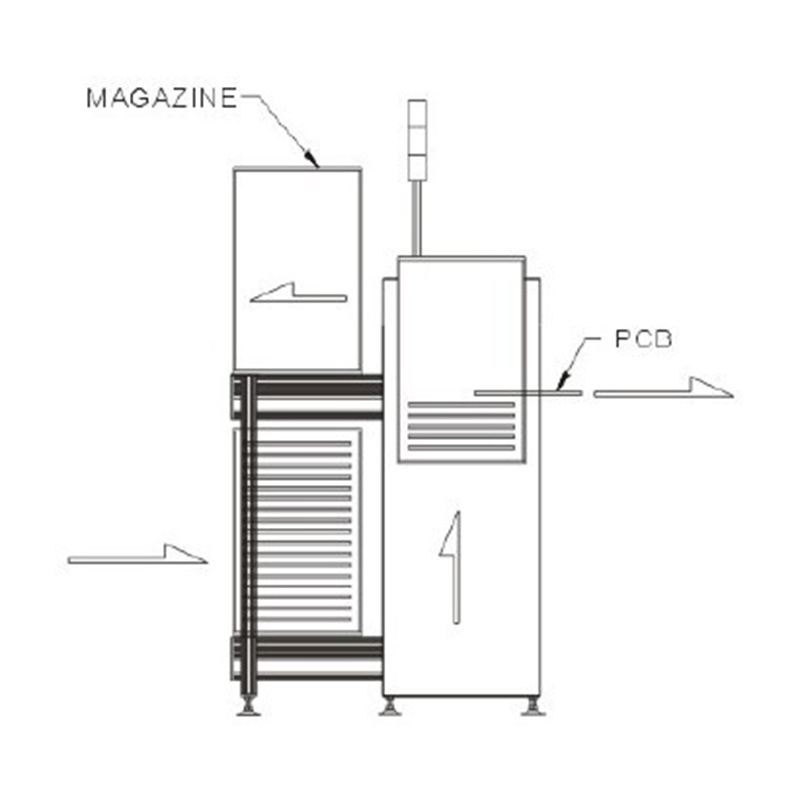


Understanding SMT Loaders: Key Components in Modern Manufacturing


2026-05-16
SMT (Surface Mount Technology) loaders are crucial components in the electronics manufacturing sector, particularly for companies involved in assembling printed circuit boards (PCBs). These devices facilitate the loading of PCBs onto production lines, significantly improving the efficiency and accuracy of the manufacturing process. In this article, we will delve into the various aspects of SMT loaders and their relevance in the broader context of manufacturing and construction machinery.
At its core, an SMT loader is designed to automate the process of placing PCBs onto a conveyor system. This automation reduces manual labor and minimizes the risk of human error, which can be detrimental in high-precision tasks. By utilizing an SMT loader, companies can streamline their workflow, allowing for faster production rates and consistent quality throughout the assembly process.
One of the key benefits of SMT loaders is their ability to handle various PCB sizes and shapes. Versatile in design, modern SMT loaders are equipped with adjustable fixtures that can accommodate different board dimensions. This adaptability is particularly important in industries where custom PCB designs are common. Being able to process various configurations without the need for significant retooling saves both time and resources.
Moreover, SMT loaders are engineered to work in conjunction with other machinery, such as pick-and-place machines and reflow ovens. This synergy within the manufacturing line ensures a seamless transition from one process to the next, creating a highly efficient production environment. With the increasing demand for electronic devices, being able to optimize these workflows has become more critical than ever for manufacturers.
In addition to their practical applications, SMT loaders also contribute to improved workplace safety. By reducing the need for manual PCB handling, the risk of injury is minimized. Employees can focus on more complex tasks that require human oversight, ultimately leading to a more skilled and efficient workforce.
Understanding the maintenance requirements of SMT loaders is also essential for ensuring their long-term operation. Regular inspections and servicing will help prevent downtime and ensure the machinery operates at peak efficiency. Manufacturers often provide guidelines for routine maintenance, emphasizing the importance of keeping these essential components in optimal condition.
In conclusion, SMT loaders play a vital role in the manufacturing process, particularly in the electronics sector. They enhance productivity, ensure quality, and improve workplace safety. As industries continue to evolve, the importance of integrating advanced technologies like SMT loaders into production lines will only become more pronounced, making them indispensable in modern manufacturing landscapes.
Related News